Three Times
Modrzewska
- Year
- 2022
- Status
- ARCHIVED
- Tech
- Organizer: Stowarzyszenie Studnia Pamięci; Support: Centrum Kultury w Lublinie, Galeria Labirynt, Piwnica Labiryntu, Ośrodek Brama Grodzka – Teatr NN, Fundacja Camera Femina.
- Performer
- Adrianna DrasAleksandra FudalejDaniel GrabowskiKarolina JatczakAleksandra NajdaNikola OwczarkiewiczOlaf Staszak
- Direction and Dramaturgy
- Iza Gawęcka
- Music Composition and Production
- Simona Kasprowicz
- Costumes
- Harpy Queen
- Creative and Research Collaboration
- Patrycja DołowyMaciej “Gąsiu” GośniowskiTeresa KlimowiczAlina Synakiewicz
- Lighting Design
- Marcin “Kabat” Kowalczuk
- Live Video Projection
- Karol Jakóbczyk
- Visual Identity and Poster
- Olga Winiarczyk
performance documentation
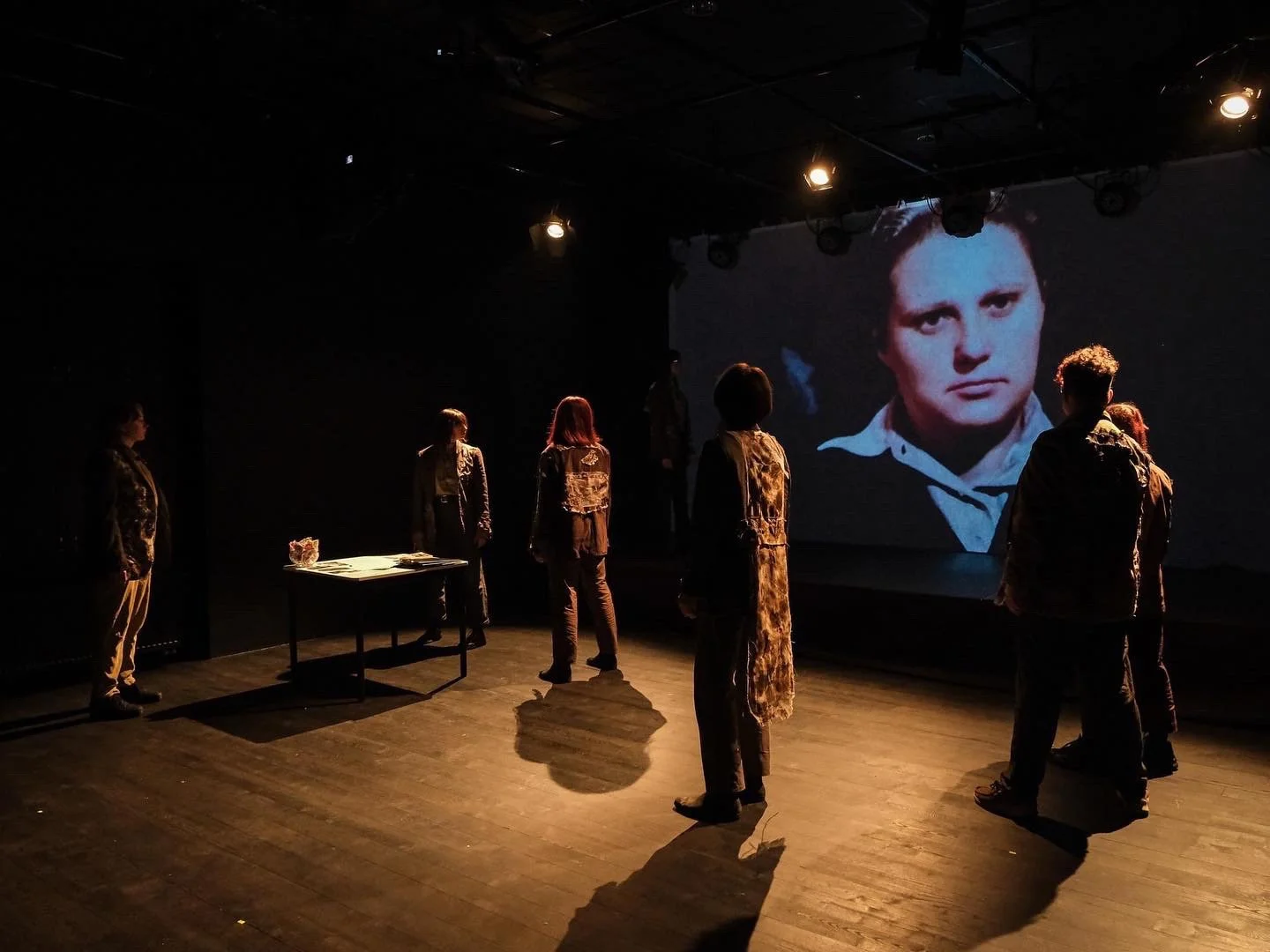
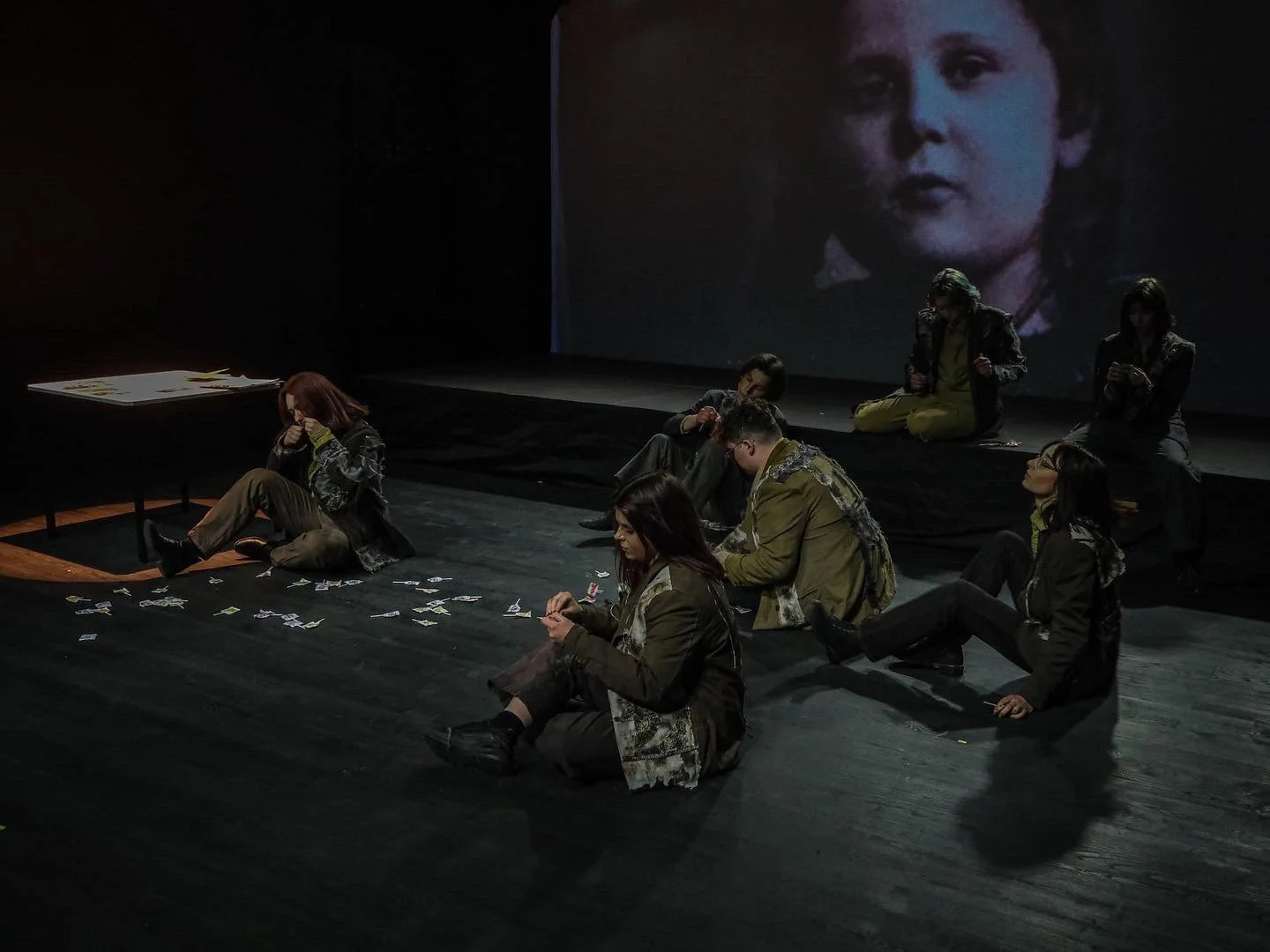
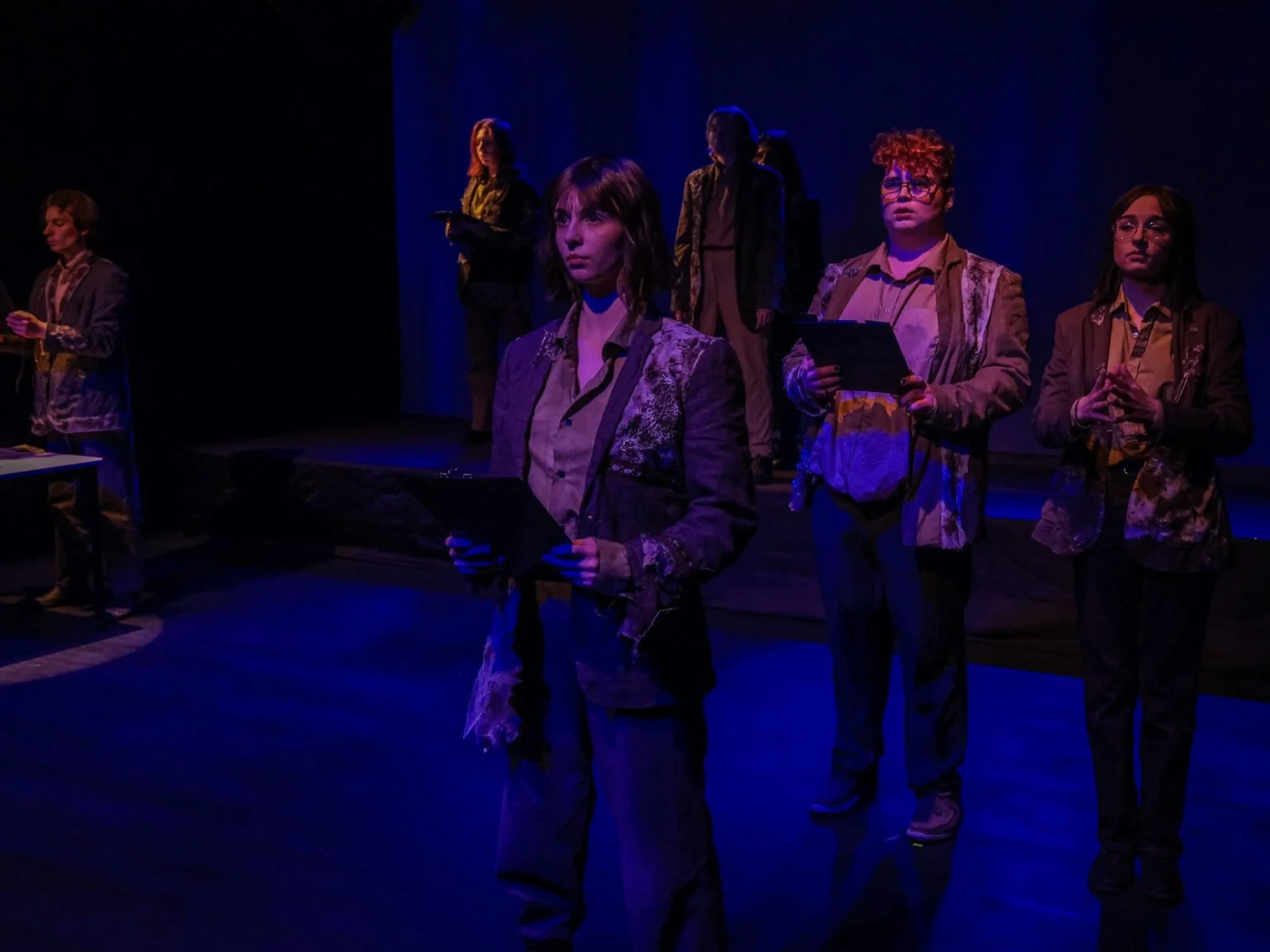
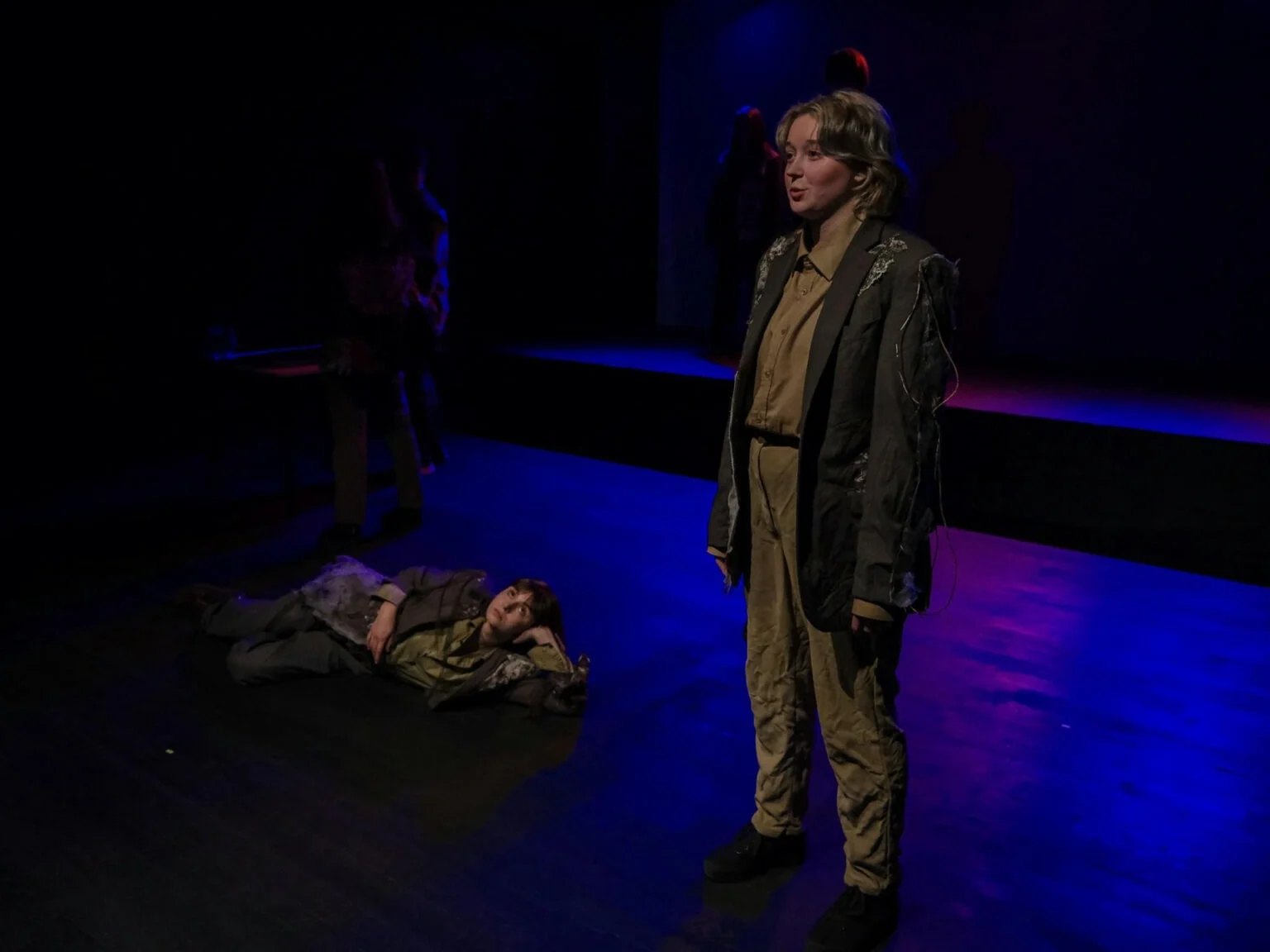
// PERFORMANCE TEXT // RESEARCH
The project uses Modrzewska’s writings as a living medium rather than a source to be illustrated. Her autobiographical trilogy — structured around childhood, adulthood, and old age — becomes a temporal scaffold for a different kind of historiography: one that works through fracture, echo, and embodied proximity. The question is not simply who she was, but what her words can do now — how they reverberate through the lives of those born decades later, and what they expose about place, belonging, and survival.
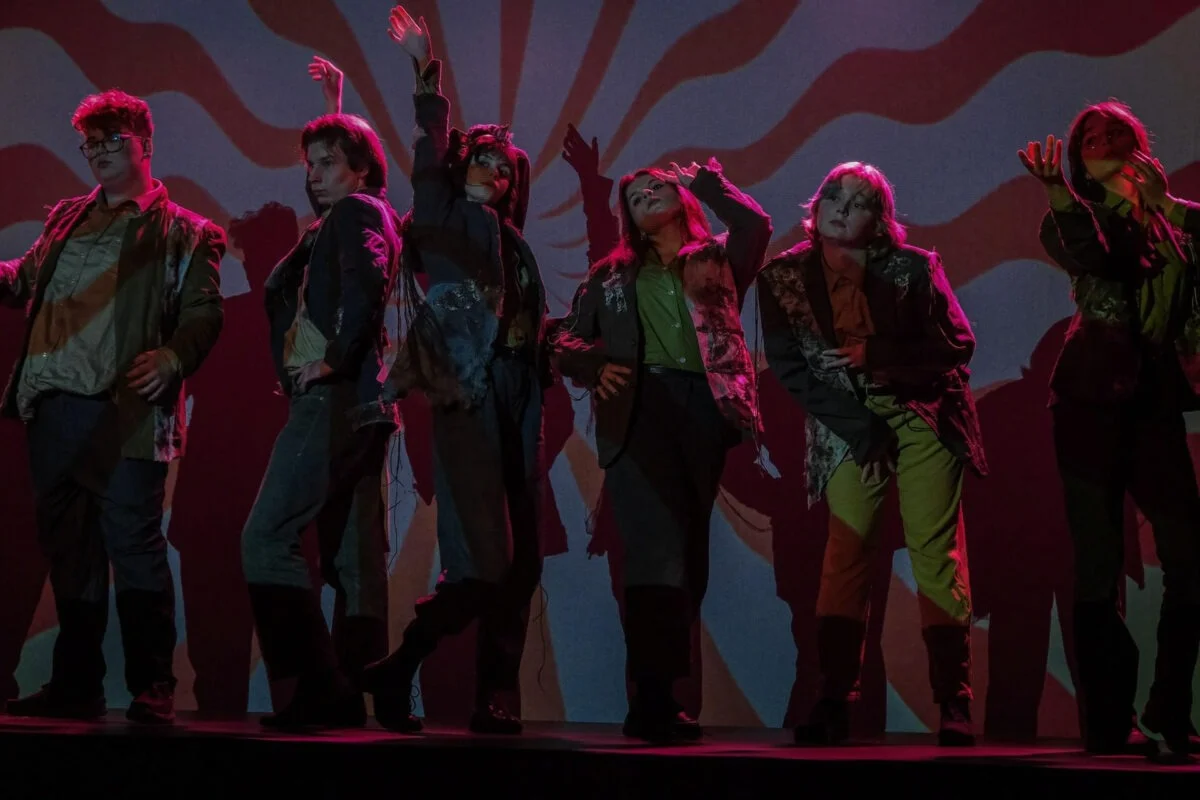
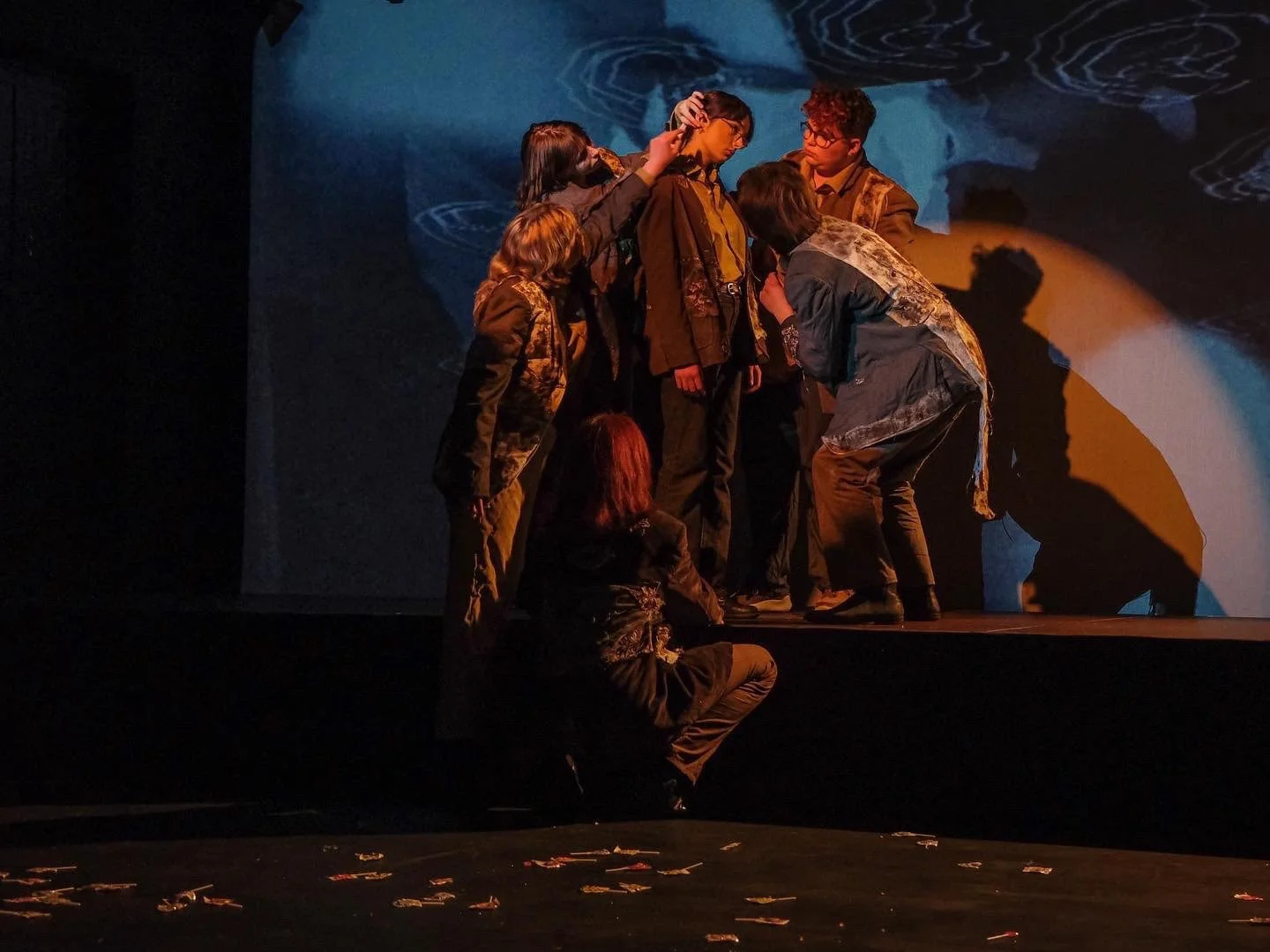
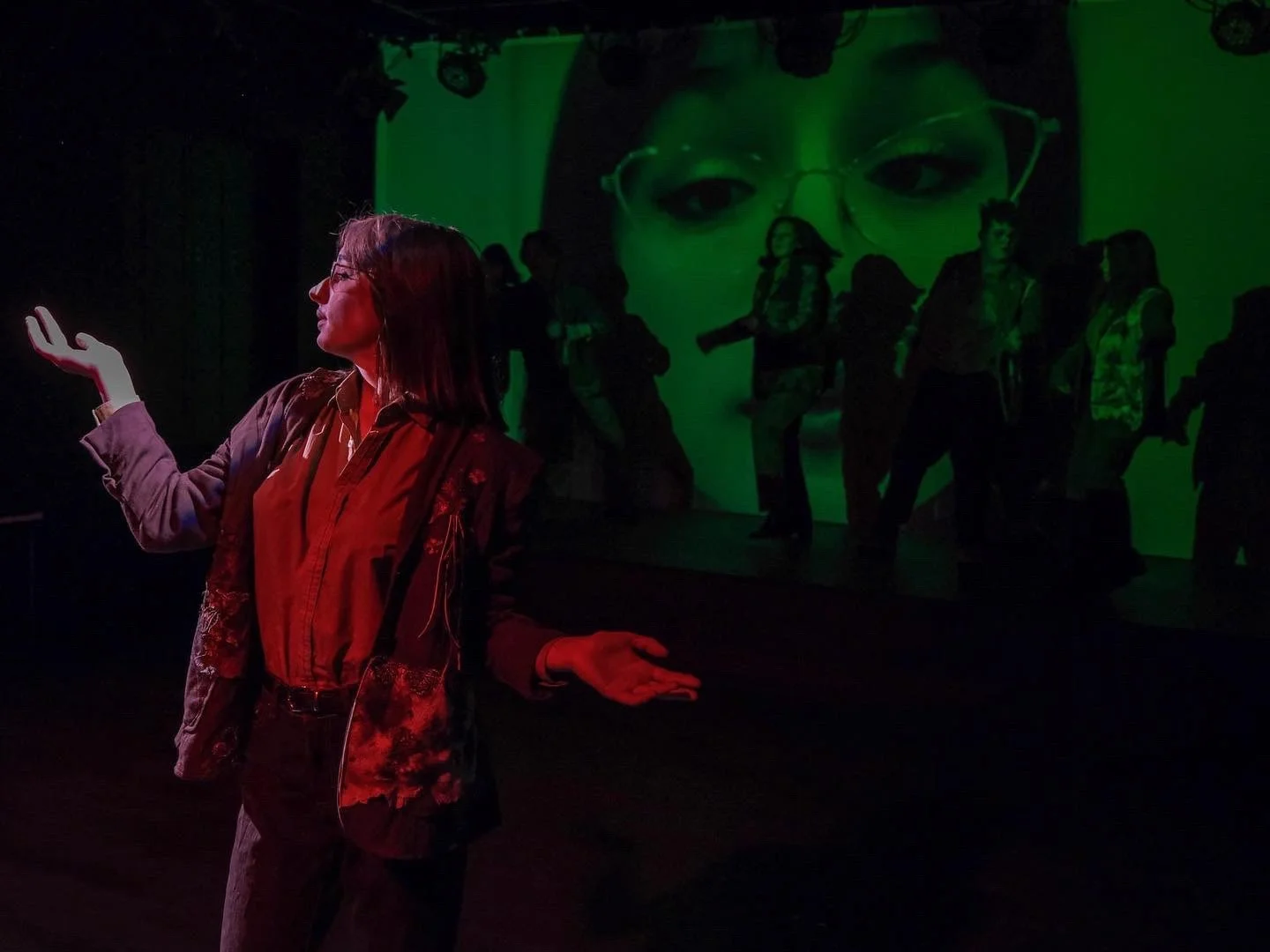
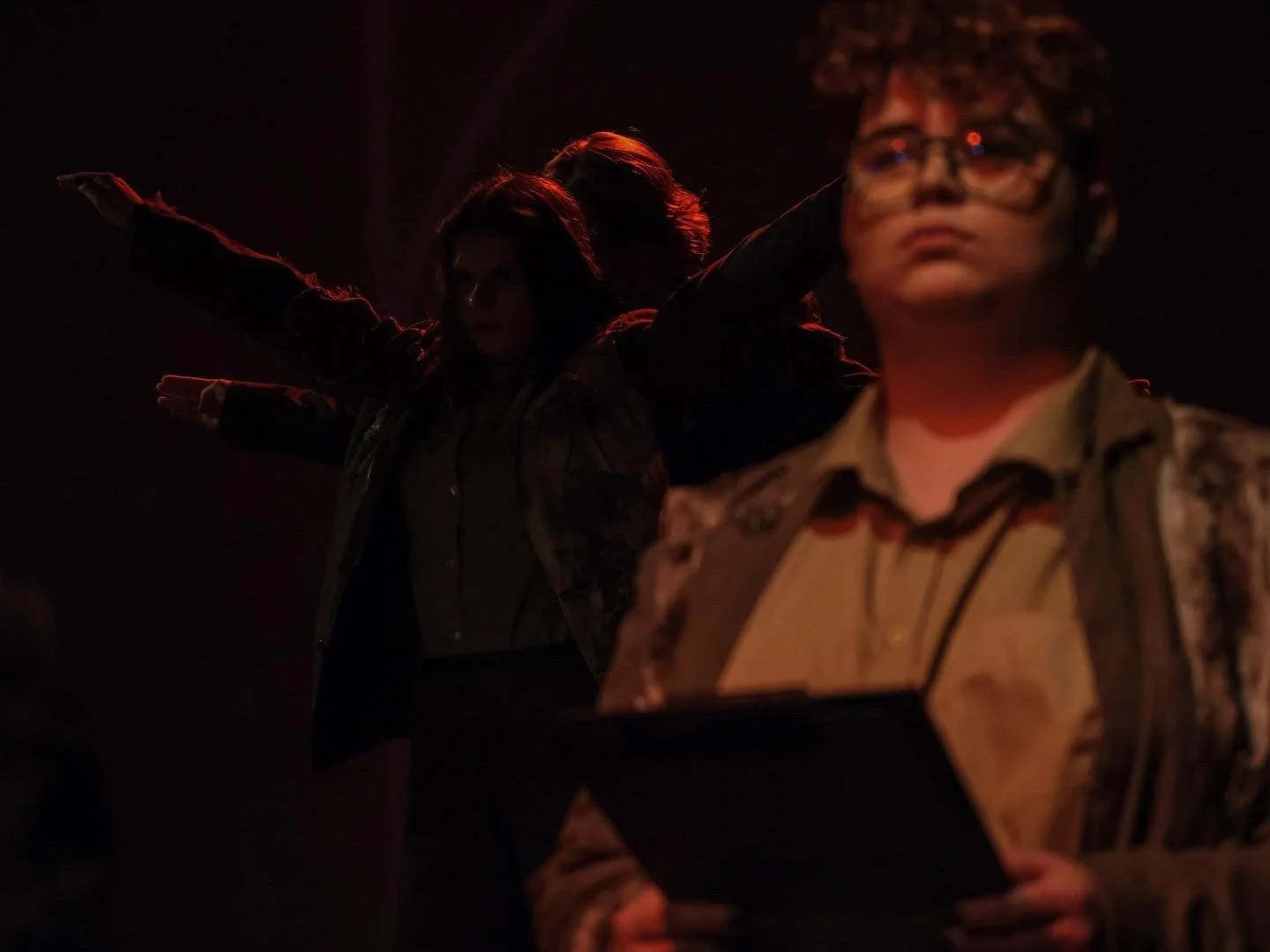
Formally, Three Times Modrzewska is built as a triptych of registers: language, movement, and new media. These are not separate layers of decoration, but distinct modes of contact with history: reading, sensing, transforming. Text is spoken and displaced; movement translates what language cannot carry; video and sound distort and re-route presence, turning the stage into a contested field of transmission. The performance refuses reenactment. The performers do not “play” Modrzewska — they enter a dialogue with her, using her life and writing as a tool for self-inquiry and a site of intergenerational negotiation.
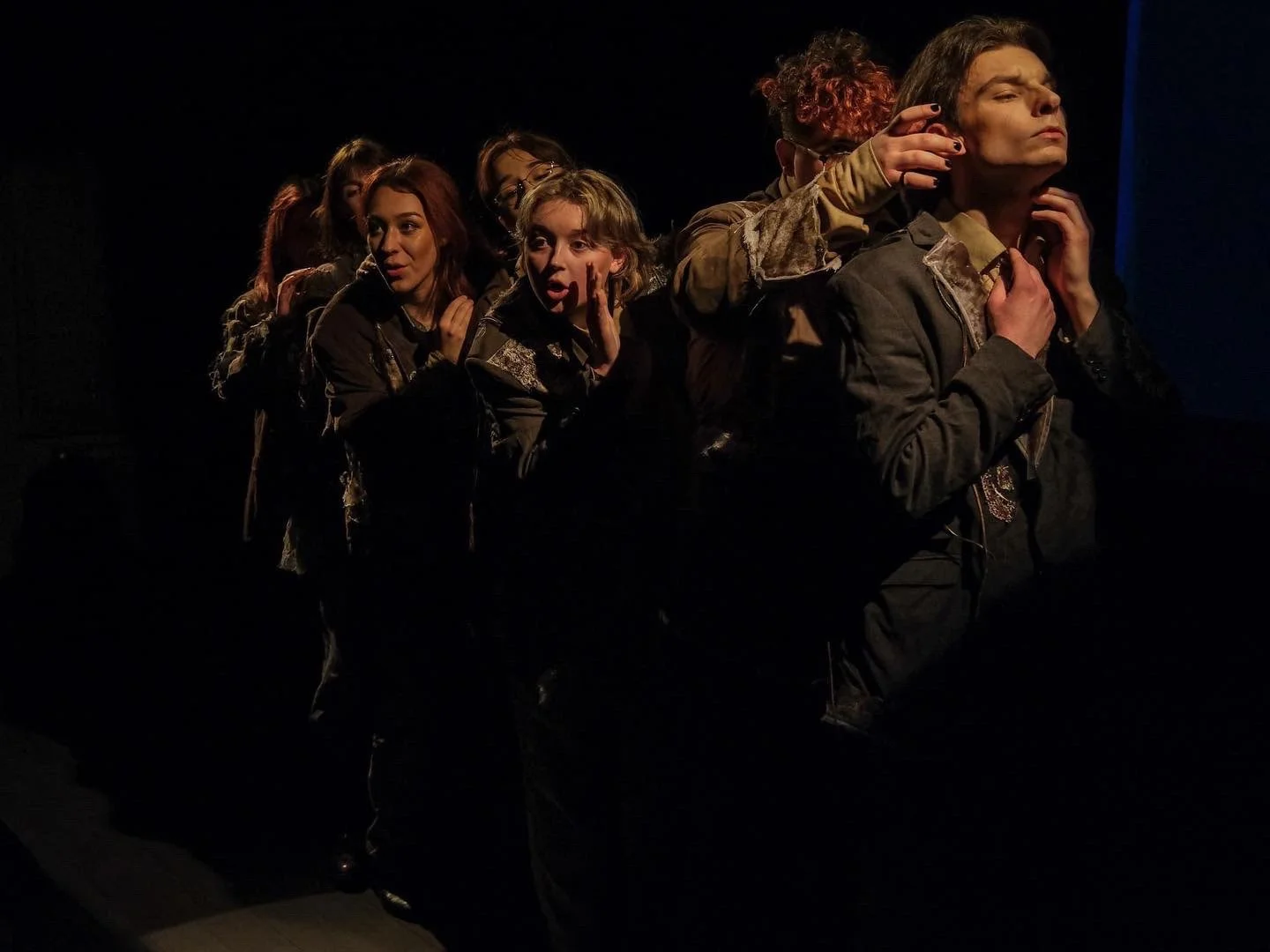
The body functions as both archive and instrument. Modrzewska’s words pass through contemporary voices and queer/trans embodiments, shifting between citation, vibration, and interference. Scars, identities, gestures, and rhythms become a grammar of proximity: not proof, not confession, but a way of holding what has been excluded without smoothing it into a monument.